How Solar PV System Works With Your Home
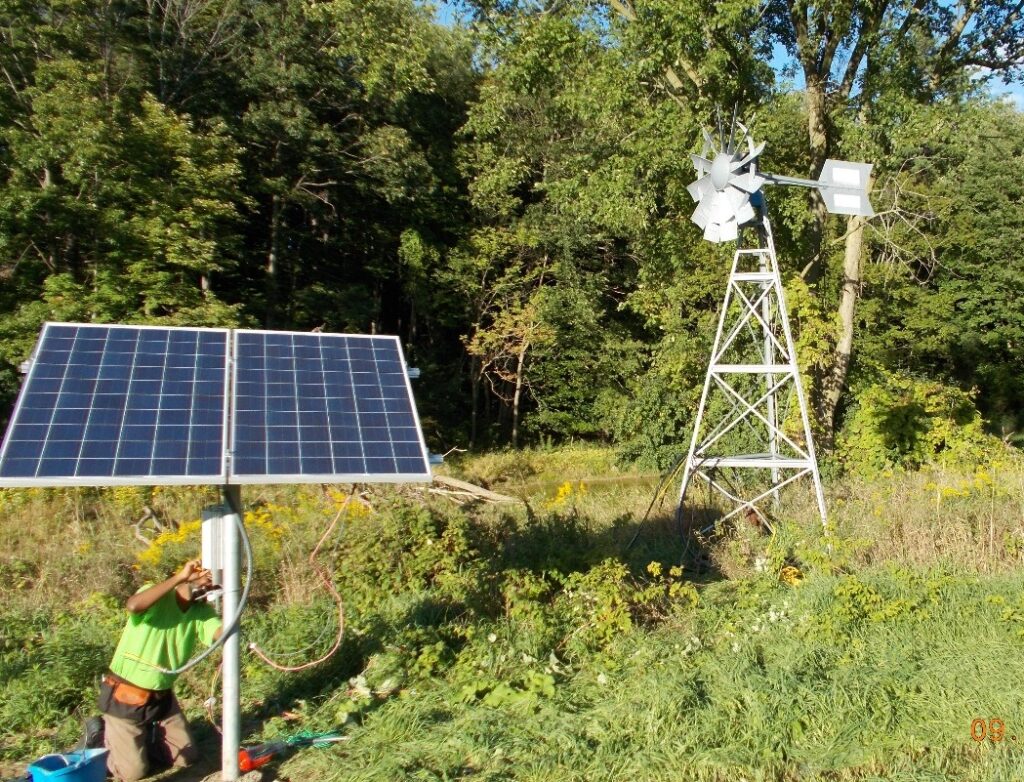
Solar power generation converts sunlight into electricity using photovoltaic (PV) technology or solar thermal systems. Here’s a step-by-step breakdown of the most common method—solar PV systems.
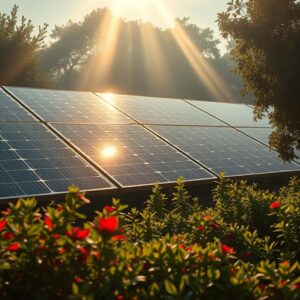
Sunlight Hits Solar Panels
-
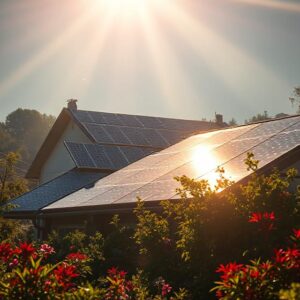
Solar panels are made of photovoltaic (PV) cells, typically from silicon.
-
When sunlight (photons) strikes these cells, it knocks electrons loose, creating an electric current (DC electricity).
DC Electricity is Generated
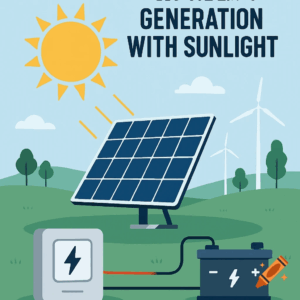
- The PV cells produce direct current (DC) electricity, which flows to an inverter.
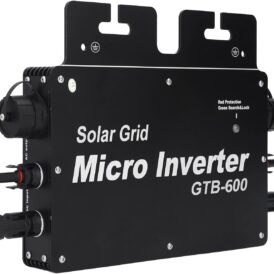
Inverter Converts DC to AC Electricity
-
Most homes and businesses use alternating current (AC), so an inverter converts DC to usable AC power.
-
Microinverters (per-panel) or string inverters (centralized) can be used.
Electricity Powers Your Home/Business
-
The converted AC electricity flows into your electrical panel (breaker box) and powers lights, appliances, and devices.
-
Any excess electricity can be:
-
Stored in battery systems (like Tesla Powerwall) for later use.
-
Sent back to the grid (if net metering is available, earning credits).
-
Grid Connection
-
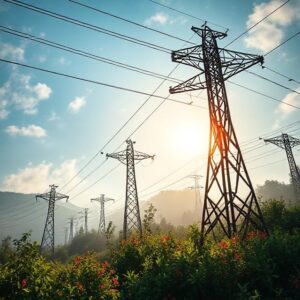
Grid-tied systems feed surplus power back into the utility grid, reducing your electricity bill through net metering.
-
Off-grid systems rely solely on solar panels + batteries (no grid connection).
Monitoring & Maintenance
-
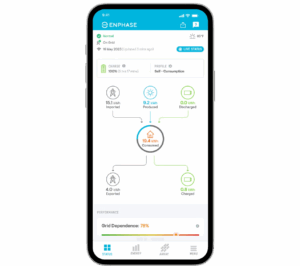
Solar monitoring systems track energy production in real-time.
-
Minimal maintenance is needed—occasional cleaning and system checks ensure efficiency.